Python for Data Science
The language as a data practitioner uses it, not as a software engineer does.
- 01Start Here
- 02The Data Structures You Use Daily
- 03pandas, Until You Trust It
- 3 modules
- 4 lessons
- 55 min
Develop analytical, creative, and problem-solving skills to understand complex challenges, uncover meaningful insights, and design smarter solutions.
Already a learner? Log in
Every track shows exactly what you will learn and the tools you will use. Buy one, or read its free lesson first.

The language as a data practitioner uses it, not as a software engineer does.
Enough statistics to stop misreading numbers, and charts that tell the truth about them.

From what supervised learning is, to SHAP, K-means, recommenders and forecasting.

Neural networks, from a single neuron to the transformer.
How LLMs work, how to instruct them, and how to fill their context.
When the model is allowed to do things, not only to answer.
A model that only lives in a notebook is not finished.
Teaching machines to see: from pixels to object detection.
From bags of words to embeddings and transformers.
Each career path bundles its tracks in the order to take them. Already own one of them? It is taken off the price at checkout.
From your first line of Python to a model running in production.
5 tracks, each yours for life. Tracks you own are taken off at checkout.
Building products on deep learning, LLMs and agents.
7 tracks, each yours for life. Tracks you own are taken off at checkout.
Every track has at least one complete lesson you can read now — simulations and checkpoints included. No email, no card.
Python won data work not because it is the best language but because of its ecosystem. Here is the honest version.
r measures exactly one thing: how close the points sit to a straight line. That is narrower than people assume.
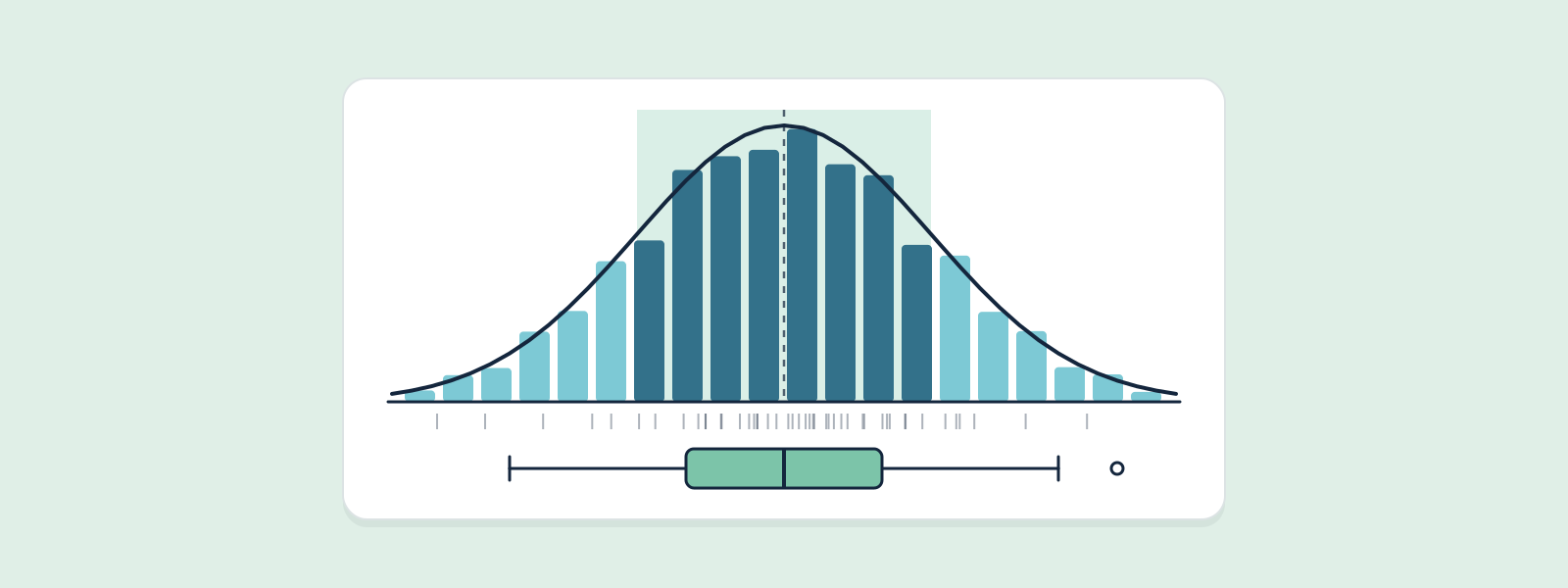
Identical means, standard deviations and correlations can hide data of completely different shapes. One chart catches what all those numbers miss.
What separates the three is not the algorithm but the shape of the feedback available. One question, and its answer decides everything else.
A neuron is a weighted sum plus one bending function. Stack a few and a straight line becomes whatever boundary you need.
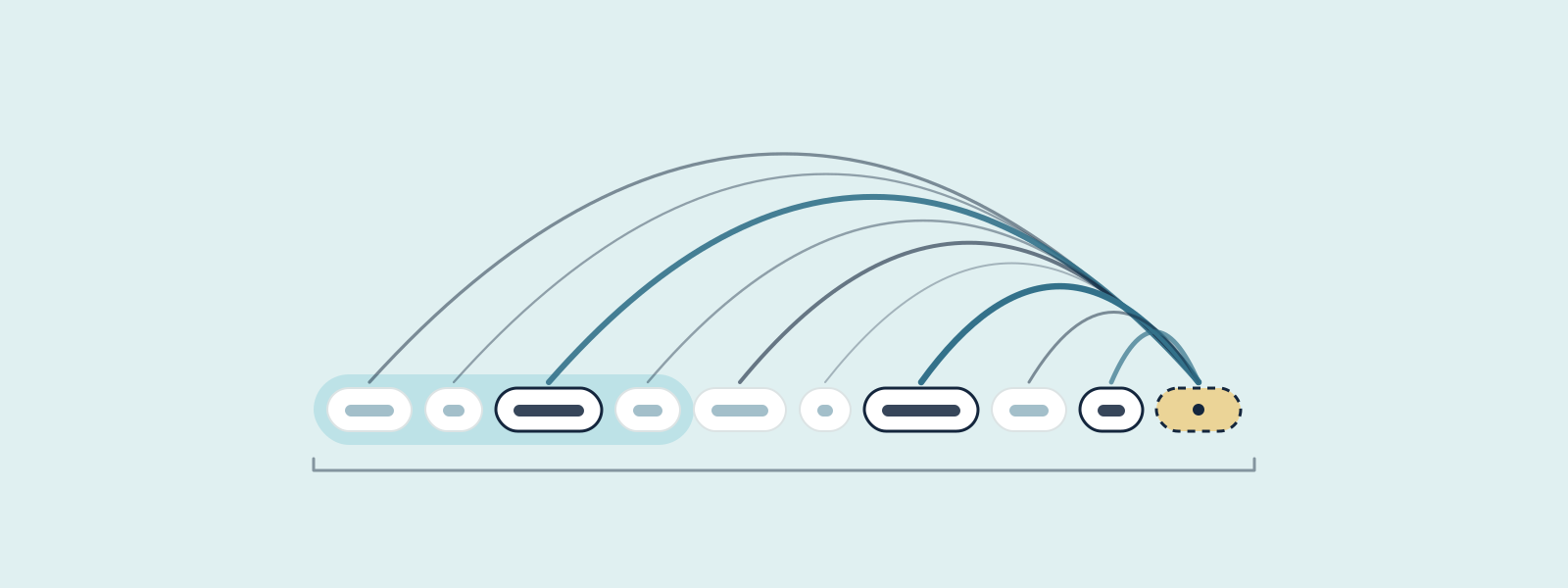
Your prompt is cut into tokens, turned into vectors, and then every token decides which other tokens matter. Those three steps explain why good prompts work.
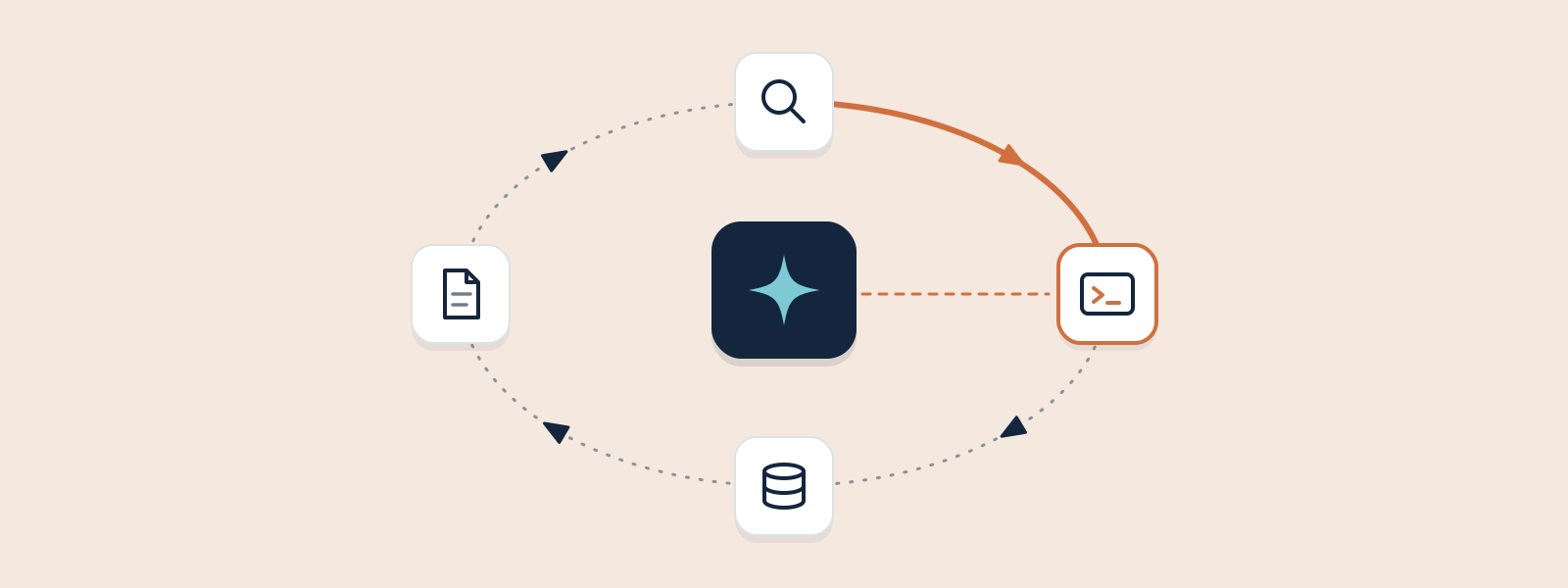
An agent is an LLM run in a loop with tools. The model proposes actions; the harness decides what actually happens.
A model is trained on the past and used on the future. When the world shifts, its accuracy falls — often without a single error in the logs.
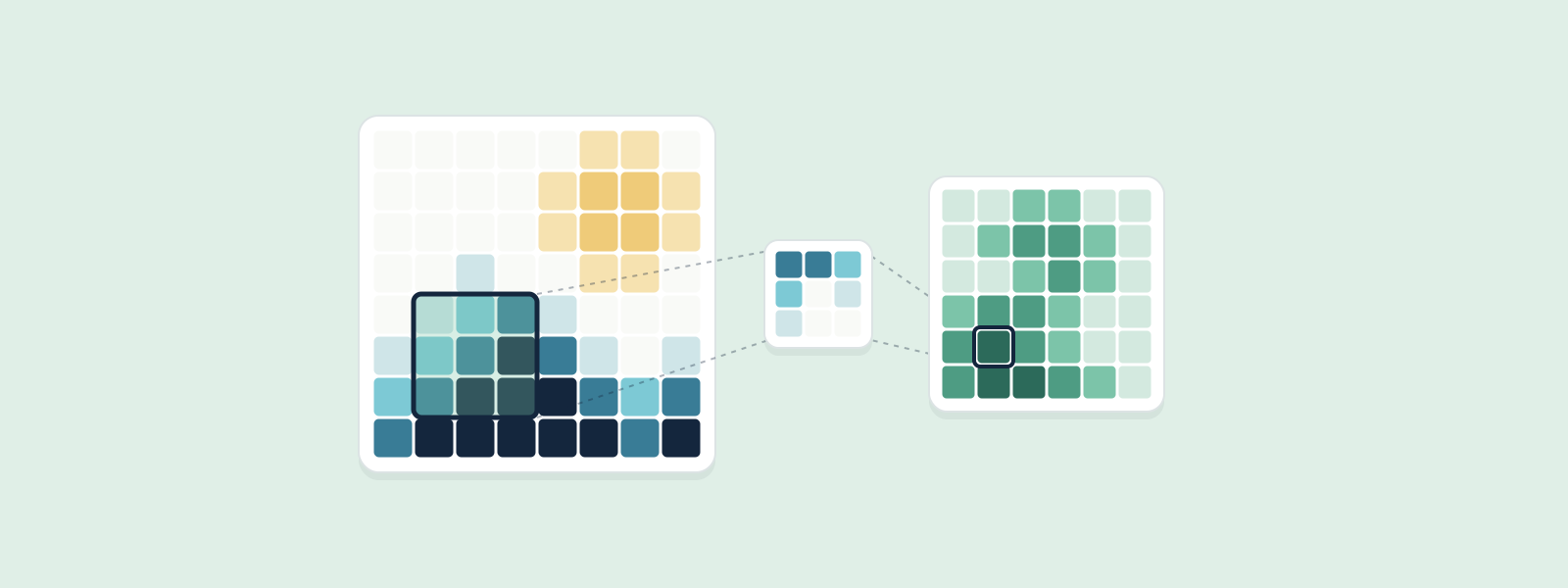
To a computer an image is a table of numbers. Convolution — a small weighted sum slid across it — turns those numbers into edges, textures and eventually objects.
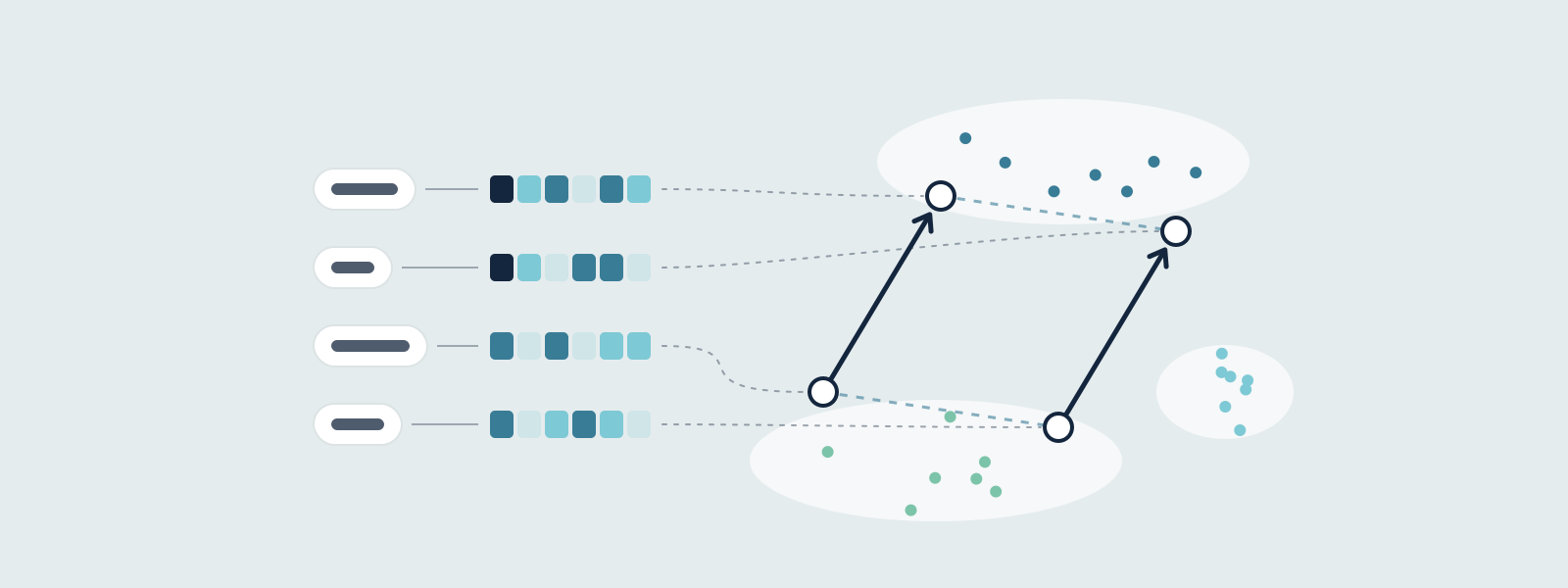
Models cannot do arithmetic on words. How we turn words into numbers decides what a model can learn — and what it never can.
Bought one at a time, separately from the tracks. Free sessions are open to everyone.
Train a credit model, explain it with SHAP, then turn that explanation into a sentence a rejected applicant can read. That last part is the hardest and the least practised.
Oct 30, 07:00 PM WIB · 3h · Muhammad Ramadiansyah
The whole Machine Learning track as a printed reference: formulas, the bias–variance diagnosis table, the leakage checklist, and metric selection. Built to sit open beside your screen while you work, not to be read front to back.
Forty pandas patterns you will actually use, each beside the wrong version of itself. Including a chapter on SettingWithCopyWarning that finally explains what is really happening.
Correlation, Bayes and hypothesis testing explained through natural frequencies — the presentation that demonstrably gets people to the right answer where probability notation gets them to the wrong one.
Datamew offers data science and AI online interactive courses, made by Intura in Jakarta. Its first disciplines are Data Science and Artificial Intelligence, split into tracks — Python, statistics, machine learning, deep learning, LLMs, AI agents, MLOps, computer vision and NLP — each bought once for $9 and kept for life. Every chapter is built around an interactive simulation rather than a video.
Working professionals who want to go beyond operating tools — to understand systems, evaluate outcomes and solve problems — and students, career switchers, engineers and data professionals, including anyone becoming a data scientist or an AI engineer. No experience is needed: the Python for Data Science track starts from zero. Every track states its level (fundamental, intermediate or advanced) and which track to finish first.
Yes. Every track has free lessons you can read right on this site, with no account, and every syllabus is open to browse. Creating an account is free too; you only pay when you buy a track.
No. Datamew does not issue certificates, and an online-course certificate rarely decides an interview. What it builds is skill you can show: a mastery score per module, graded exercises, and enough understanding to explain your own models.
For orders, refunds or access problems, write to [email protected] with your order number. For general questions and partnerships, write to [email protected]. For legal and privacy matters, write to [email protected].
Each track is $9, paid once and yours for life. The two career paths are sold as bundles at 40% off: Data Scientist (5 tracks, $45) comes to $27, and AI Engineer (7 tracks, $63) comes to $38. Lessons marked free stay free for everyone, no account needed. Ebooks and live sessions are bought separately.
No. There is no subscription, no renewal and nothing to cancel. You pay once for a track (or a bundle), and that is it.
A track you buy has no end date. You keep every lesson, checkpoint, exercise and review card in it — including every lesson added to that track later, at no extra cost.
Some tracks are still being written. Their full syllabus is already visible and their first lesson is free to read. An early-access track sells at the same price, and buyers get each new lesson the day it ships. Every track page says how many of its modules are out today.
No. Tracks you already own are taken off the bundle price, and you see the final price at checkout before you pay. If you own every track in a bundle, there is nothing left to buy.
No — both are bought one at a time in the learning app. Free sessions are open to everyone. A live session’s recording is open to anyone who held a seat, and to anyone who owns the track it belongs to.
Two ways, chosen at checkout. A credit or debit card, handled by Airwallex and charged in US dollars. Or QRIS, a bank virtual account or an e-wallet, handled by Xendit and charged in rupiah at the day’s rate — you see the rupiah amount before you pay.
Write to [email protected] with your order number — we review every request, such as a duplicate payment or a technical problem that stopped you learning. A refunded purchase closes access to that track. Every track has a free lesson, so you can try the way it teaches before you pay.
Both start with Python for Data Science. The Data Scientist path continues to Data Analytics (statistics and visualisation), Machine Learning, Deep Learning and MLOps. The AI Engineer path continues to Deep Learning, LLMs and prompt engineering, AI Agents, MLOps, Computer Vision and NLP. You can buy one track first; a track you own is taken off a bundle’s price later.
Checkpoints are short questions inside a lesson, graded instantly and counted toward the module’s mastery score. Every checkpoint you answer joins your review queue and comes back after a day, three days, a week and so on — less often each time you get it right. It is a proven way to stop material fading.
No, and any course promising that is selling something. What is realistic: a foundation good enough for a junior interview and for real work — loading messy data, splitting it without leaking, training and evaluating models, and explaining why a model decided what it did. Not a qualification.
There are no videos. Every chapter has a simulation you can play with, and the numbers are genuinely computed in your browser — the KNN really searches its neighbours, the neural network really trains in front of you. Every module page has a simulation you can try before you buy.
This site is in both languages. The course material and the learning app are in English, with the same technical terms you will meet in documentation and in job listings.
Read a free lesson today. When you are ready, buy the track you need for $9 — once, with no subscription and nothing to cancel.
Free lessons forever · lifetime access